
For example, if a company owns a building that has significantly increased in value since it was purchased, the fair value principle would require it to be recorded at its current market value. However, if the company plans to hold onto the building for many years, this may not accurately reflect its true value to the company. The cost principle is the cornerstone of accounting and is used to determine the value of an asset when it is initially recorded. However, while the cost principle is a widely accepted accounting convention, it has limitations and criticisms.
Limitations of Cost Concept
This wear and tear happens over long periods of use, and causes the asset to lose value. There are some other accounting methods that can be compared to the cost principle. The two below are the best for comparison, and highlight where the cost principle can fall short.
201-2 Determining allowability.
This concept focuses on objectivity and reliability in financial reporting, as the historical cost is verifiable and less subject to estimation. The cost principle also means that some valuable, non-tangible assets are not reported as assets on the balance sheet. For example, goodwill, brand identity, and intellectual property can add a lot of value to a business but, because they are built up over time, they do not have an initial purchase price to record on financial statements. Cost principles refer to a set of guidelines or rules that determine how costs should be measured, allocated, and accounted for in financial reporting, budgeting, and pricing. These principles are designed to ensure that costs are recorded accurately and consistently, reflecting the true economic expense of producing goods or services. Cost principles are used in various industries, particularly in accounting, government contracting, and corporate finance, to ensure compliance with legal standards, financial reporting requirements, and cost-effectiveness.
Why Take AP Computer Science Principles?
This includes the purchase price of the asset, as well as any directly attributable costs, such as shipping or installation fees. By doing so, they can ensure that their financial statements accurately reflect their true financial position and help them make informed business decisions. The Cost Principle is an essential accounting concept that helps to ensure that financial statements are accurate, reliable, and consistent over time.
- As such, be sure to find good software that works for you and your accountant.
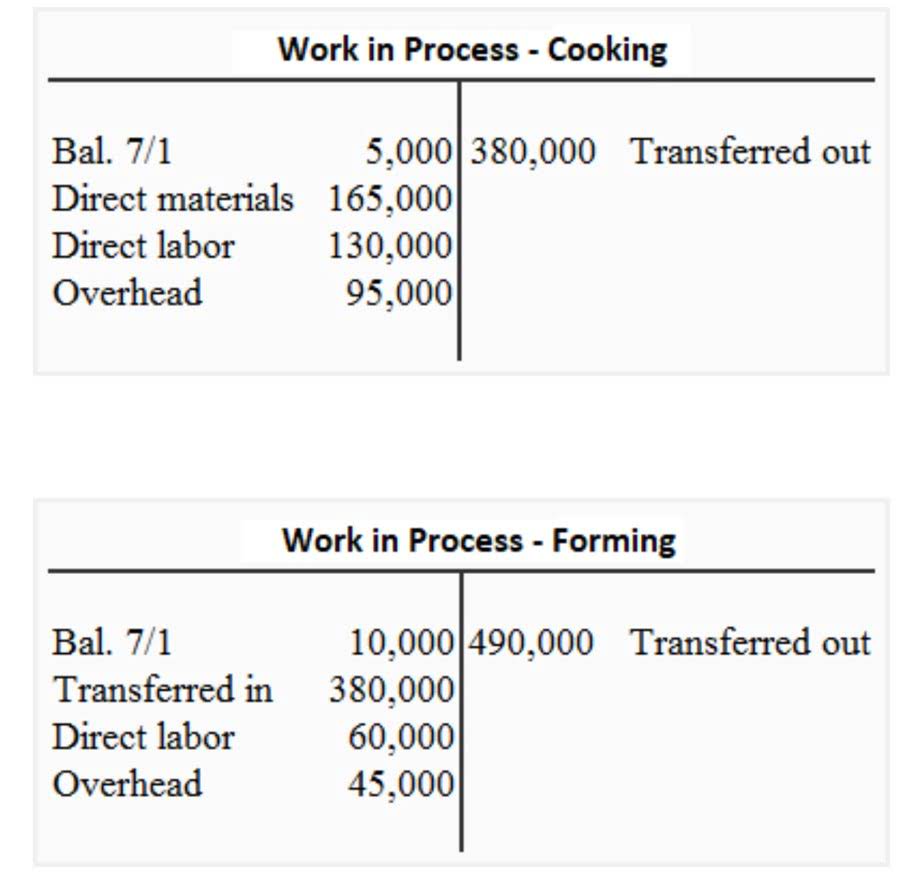
- The company follows standard costing procedures, assigning costs such as raw materials, labor, and factory overhead to the products they manufacture.
- Job class of employees means employees performing in positions within the same job.
- Lean practice begins with the work — the actions that directly and indirectly create value for the customer — and the people doing that work.
- The cost of the office building is still listed as $250,000 on the balance sheet.
- Accrual accounting enables businesses to more accurately reflect their financial performance by matching revenues with the expenses incurred to generate them.
Its simplicity and consistency make it easy to apply and understand, and it provides a clear and accurate picture of a company’s financial position over time. However, it’s important to remember that the cost principle can sometimes lead to inaccuracies in financial statements, particularly if assets have significantly increased or decreased in value since they were first acquired. As such, it’s important for businesses to carefully consider which accounting principle is most appropriate for their needs and to consult with an accounting professional if they have any questions https://colab-digital.com/2021/10/21/mastering-restaurant-accounting-a-must-read-2/ or concerns. Certain financial instruments represent a mandated exception to the historical cost principle. Financial assets, such as marketable securities and derivatives, are recorded at fair market value. Fair value accounting is required because their market prices are readily available and relevant to investors.
Related AccountingTools Courses
It provides a reliable basis for financial reporting, enabling investors, creditors, and other stakeholders to make informed decisions. By following the Cost Principle, businesses can avoid overstatement of assets and income, accurately calculate Cash Flow Statement depreciation and impairment, and provide a truthful representation of their financial position. The cost principle, also known as the historical cost principle, is an accounting convention that has been used for centuries to determine the value of assets and liabilities. The principle states that an asset should be recorded at the price paid to acquire it, and that a liability should be recorded at the amount owed to settle it. This principle is based on the belief that the cost of an item is the most objective and verifiable measure of its value. The FASB determined that the increased relevance of current market pricing for these liquid assets outweighs the verifiability benefit of historical cost.

Accumulating costs means collecting cost data in an organized manner, such as through a system of accounts. Every “free” offer carries hidden costs that impact your financial decisions. Carefully evaluate the tradeoffs behind seemingly no-cost opportunities before committing your resources.
- The car might have a value of $20,000, but they pay $15,000 for it.
- It’s essential to consider these disadvantages and evaluate the potential impact when interpreting and using financial statements based on the Cost Principle.
- It focuses on keeping balance sheets consistent over time, and assigns a constant value to assets.
- Historical cost is directly supported by the Reliability Principle because it is based on verifiable, objective evidence from past transactions.
- However, this variation does not allow the reverse – to revalue an asset upward.
205-12 Economic planning costs.
Pay-as-you-go cost method means a method of recognizing pension cost only when benefits are paid to retired employees or their beneficiaries. Final cost objective means (except for subparts 31.3 and 31.6) a cost objective that has allocated to it both direct and indirect costs and, in the contractor’s accumulation system, is one of the final accumulation points. Defined-benefit pension plan means a pension plan in which the benefits to be paid, or the basis for determining such benefits, are established in advance and the contributions are intended to provide the stated benefits. Actuarial assumption means an estimate of future conditions affecting pension cost; e.g., mortality rate, employee turnover, compensation levels, earnings on pension plan assets, and changes in values of pension plan assets. Actual costs means (except for subpart 31.6) amounts determined on the basis of costs incurred, as distinguished from forecasted costs. Actual costs include standard costs properly adjusted for applicable variances.
Historical cost is directly supported by the Reliability Principle because it is based on verifiable, objective evidence from past transactions. This establishes a high degree of confidence in the reported figures.
It details actual costs for budgeting purposes.
- Below are some of the most commonly asked questions regarding the cost principle.
- Learn what the development committees do and the methodology they use to develop AP courses and exams.
- The Cost Principle is a critical accounting convention that ensures businesses record their assets and liabilities accurately.
- When using the cost principle, an asset’s value is easy to determine.
- If a firm buys assets which are highly liquid and have a market value (e.g. government bonds) these should be listed at market value rather than historical cost.
- As per this principle, the value of assets in the financial statements remains the same even if their market value increases or decreases.
Departments may incur these expenses but they must code them as unallowable. It is never allowable to charge an expenditure allocable to one sponsored award to a different sponsored award due to a surplus of funding or a lack thereof. If the award which benefits from the expenditure does not have enough funding to cover the cost, then the cost cost principle must be charged to a non-sponsored funding source.